Across the world, there is a growing desire for communities that feel more connected, more walkable and more human in scale. People are increasingly seeking neighbourhoods with character – places where homes engage with the street, where daily life can unfold on foot, and where architecture reflects the landscape and culture around it.
This philosophy is known as New Urbanism.
At Jindee, these principles have helped shape the vision for a modern coastal village on Perth’s northern beaches – a community designed around walkability, connection, landscape and timeless architecture.
What is New Urbanism?
New Urbanism is an internationally recognised planning and design movement that promotes thoughtfully designed, walkable neighbourhoods centred around community life.
Rather than sprawling suburbs designed primarily for cars, New Urbanist communities prioritise:
- Walkable streets and public spaces
- Human-scale neighbourhoods
- Integrated parks and civic areas
- Homes that engage with the street
- Architectural character connected to local climate and culture
- Mixed-use spaces and connected communities
The movement emerged as a response to disconnected suburban sprawl and has since influenced some of the world’s most admired masterplanned communities.
At the forefront of this movement were visionary planners and architects Andrés Duany and Elizabeth Plater-Zyberk of Duany Plater-Zyberk & Company.
The Beginning: Seaside, Florida
One of the most influential examples of New Urbanism is Seaside — a small coastal town on Florida’s Gulf Coast designed by Duany and Plater-Zyberk in the early 1980s.
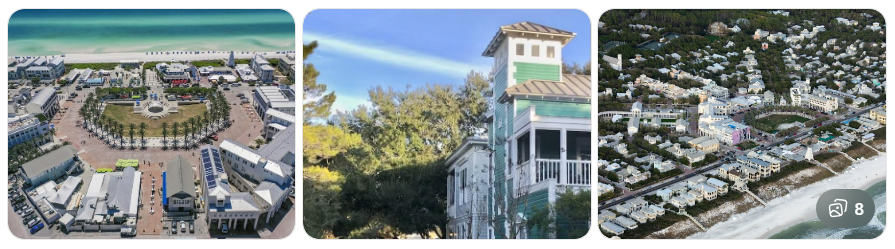
Seaside, Florida — one of the world’s most influential New Urbanist communities designed by Duany Plater-Zyberk.
Seaside challenged the suburban planning trends of its time. Instead of disconnected estates built around cars, it introduced a walkable town structure centred around public spaces, front porches, pedestrian-friendly streets and architecture that responded to the coastal climate and local vernacular.
The result was a place that felt authentic, memorable and deeply human.
Its influence spread globally and helped launch the New Urbanist movement into mainstream planning and architectural discourse.
A Worldwide Movement
Since then, New Urbanism has inspired some of the world’s most recognised masterplanned communities.
Celebration, Florida
Developed by The Walt Disney Company, Celebration became one of the most famous examples of New Urbanist planning in the 1990s.
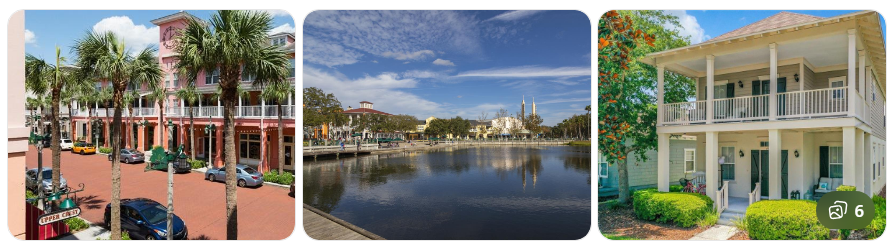
Celebration, Florida — a globally recognised New Urbanist community developed around walkability, civic spaces and timeless neighbourhood design.
Celebration embraced walkable streets, civic spaces, diverse architectural styles and homes designed to create strong neighbourhood interaction. The result was a community that felt both nostalgic and highly liveable.
Poundbury, England
In the United Kingdom, Poundbury — championed by King Charles III during his time as Prince of Wales – became another globally recognised New Urbanist community.
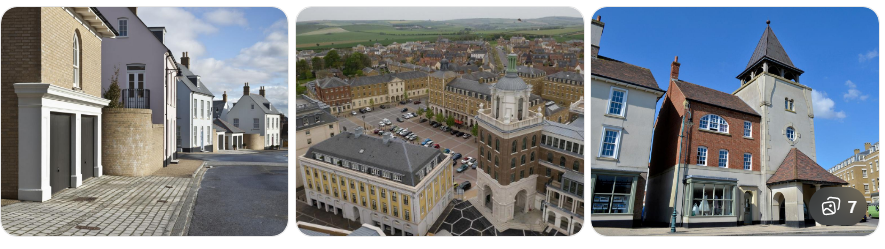
Poundbury, England — a landmark New Urbanist community championed by King Charles III and designed around walkability, local character and traditional urban planning.
Poundbury rejected anonymous suburban sprawl in favour of mixed-use neighbourhoods, walkable streets and architecture rooted in the traditional Dorset character. It demonstrated that contemporary communities could still feel enduring, local and deeply connected to place.
Architecture and the Importance of “Sense of Place”
What makes these communities truly memorable is not only their urban planning – it is their architecture.
Successful New Urbanist communities around the world share a commitment to architectural styles that reflect their local environment. Coastal communities respond to the climate, light and lifestyle of the coast. Streets are designed to feel comfortable to walk through. Homes contribute positively to the public realm rather than turning away from it.
This creates what planners often refer to as a “sense of place”.
Rather than feeling generic or interchangeable, these communities develop identity and authenticity — something increasingly valued in modern neighbourhood design.
How These Principles Influence Jindee
At Jindee, these same New Urbanist principles have shaped the vision for a connected coastal village inspired by timeless neighbourhood design.
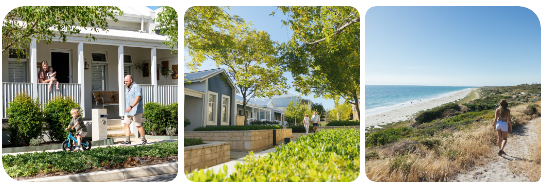
Jindee, Perth — a contemporary coastal community inspired by New Urbanist principles of walkability, connection and architecture grounded in place.
From its walkable, tree-lined streets to its integrated meanders, parks and public spaces, Jindee has been designed to encourage connection — both to nature and to community.
Homes are carefully positioned to engage with the street through verandahs, landscaping and thoughtful architectural controls that prioritise human-scale design. Streets are designed not simply as transport corridors, but as places for walking, gathering and everyday life.
Importantly, the architectural vision for Jindee responds directly to the Western Australian coastal environment. Materials, roof forms, streetscapes and landscaping work together to create a neighbourhood that feels grounded in place rather than imposed upon it.
Like Seaside, Celebration and Poundbury, the goal is not simply to create housing – but to create a community with identity, beauty and longevity.
Why New Urbanism Matters Today
As cities continue to grow, there is increasing recognition that the quality of neighbourhood design profoundly shapes quality of life.
Walkable communities support stronger social connection. Tree-lined streets encourage outdoor activity. Public spaces create opportunities for interaction and belonging. Architecture rooted in local character helps communities feel memorable and enduring.
New Urbanism reminds us that good development is not only about density or infrastructure – it is about creating places people genuinely love to live in.
From Seaside to Celebration, Poundbury and communities such as Jindee, these ideas continue to shape a global movement toward more connected, beautiful and human-scale neighbourhoods — places designed not only for today, but for generations to come.