Rear laneway homes are changing the way people think about neighbourhoods.
For decades, Australian suburbs focused heavily on cars. Wide driveways, large garage doors and repeated crossovers became the norm. However, buyers today are searching for something different.
Today, one of the key design features helping shape this new style of living is the rear laneway home.
As a result, rear laneway homes are becoming increasingly popular in walkable coastal communities across Australia.
At Jindee, rear laneways do more than manage vehicle access. They help create beautiful and walkable coastal streets.
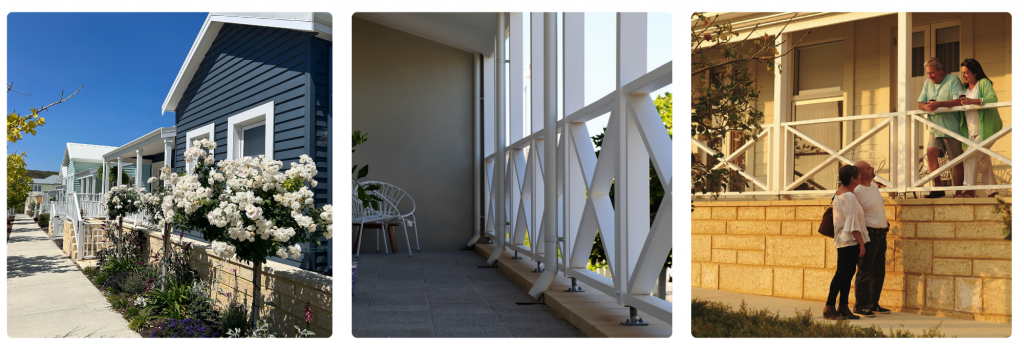
Rear laneway streets are designed to encourage walkability, connection and community interaction.
What are Rear Laneway Homes?
A rear laneway home places vehicle access and garages at the rear of the lot via a laneway instead of the residential street.
As a result, the front of the home can focus on verandahs, landscaping and street presence instead of driveways and dominant garage doors.
Overall, the result is a greener and more welcoming streetscape.
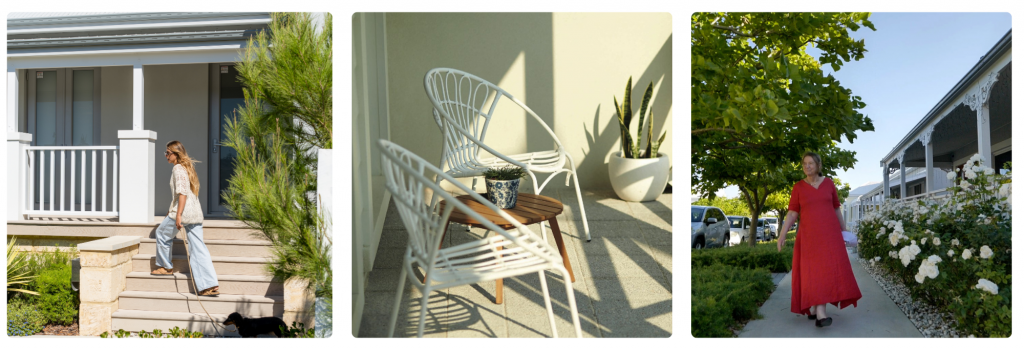
Rear laneway homes create calmer and more walkable neighbourhood streets.
Why Do Rear Laneway Homes Create Better Streets?
Importantly, one of the biggest advantages of rear laneways is the removal of crossovers from the residential street.
As a result, walking along the street feels calmer and more pleasant because vehicles no longer cross the footpath.
It also allows for:
- continuous low-level street lighting
- regular street tree placement
- uninterrupted footpaths
- stronger landscaping outcomes
- cleaner, more elegant streetscapes
Meanwhile, Jindee’s street design allows trees and landscaping to flow consistently along the verge. This creates true tree-lined coastal streets.
In addition, higher square kerbing also protects verges from vehicle access, preserving the quality of the streetscape over time.
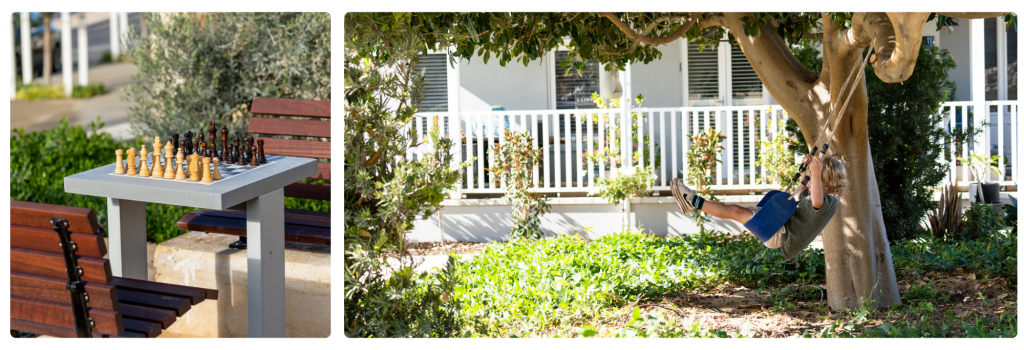
Rear laneway streets are designed to feel greener, calmer and more connected to everyday life.
Why Buyers Are Choosing Rear Laneway Homes?
Most traditional suburban streets are visually dominated by:
- garage doors
- parked cars
- crossover interruptions
- inconsistent landscaping
However, rear laneways completely change that balance.
Instead, the eye is drawn to:
- verandahs
- architectural detail
- trees and planting
- front gardens
- windows and entry features
As a result, homes feel more connected to the street and to each other, creating a relaxed village atmosphere.
Walkable neighbourhood design has become increasingly important in modern urban planning according to the Planning Institute of Australia.
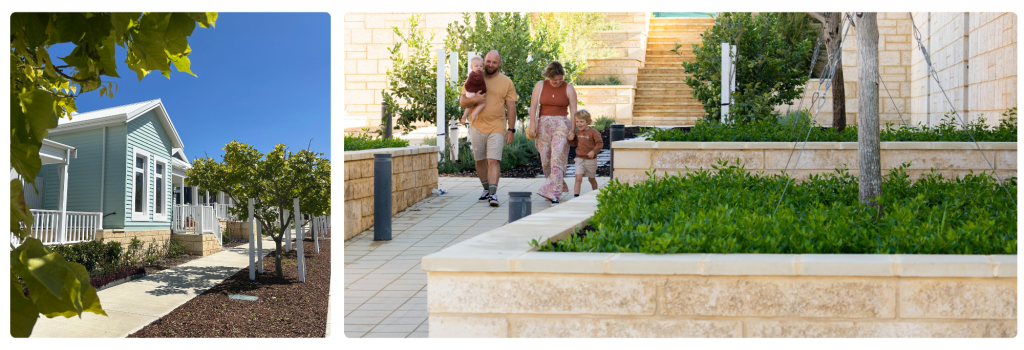
Rear laneway communities prioritise people, walkability and neighbourhood connection.
Why Are Buyers Seeking This Style of Living?
Even so, most buyers may not know the planning theory behind rear laneways. However, they immediately notice how the streets feel.
Quieter. Greener. More walkable. More considered.
At Jindee, rear laneways help create streets that feel calmer, greener and more connected.
Because great streets are not just designed for cars, they are designed for people.

Register your interest in Jindee and discover a thoughtfully designed coastal community where walkability, nature and village living come together.